
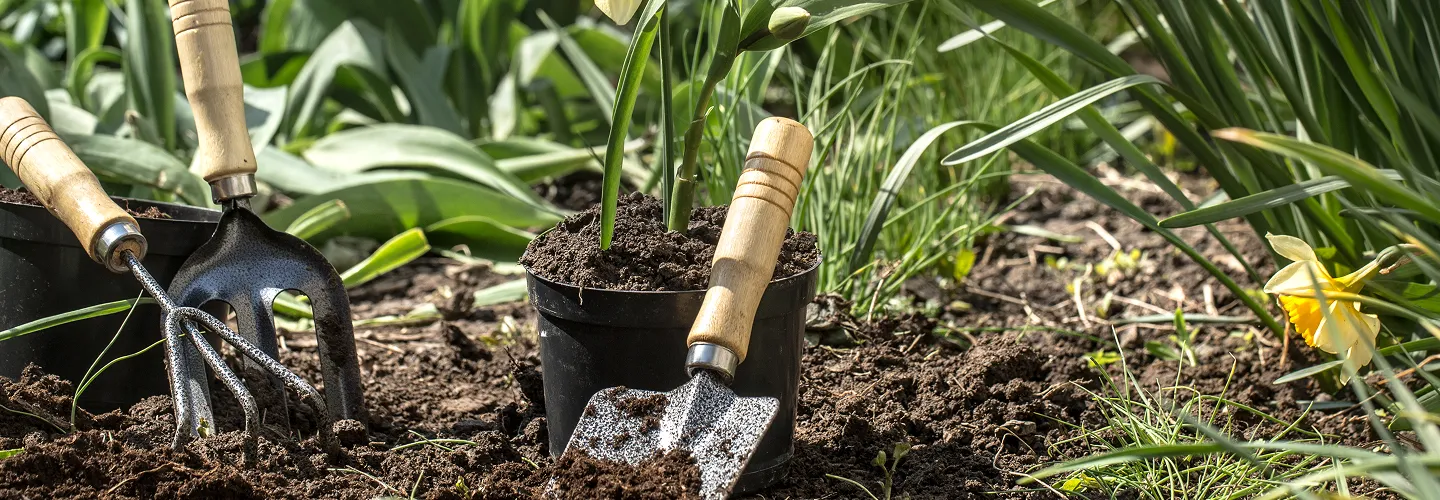
Norwalk Lawn Installation Services
Choose our expert lawn installation for a seamless, hassle-free transformation—enjoy a vibrant, healthy yard that boosts your home's curb appeal and value, all backed by our commitment to quality and customer satisfaction.
Get a Free QuoteOur Norwalk Landscaping & Yard Care Services
When to Schedule Lawn Installation in Norwalk, Connecticut – Seasonal Guide
Choosing the right time for lawn installation in Norwalk, Connecticut is essential for achieving a lush, healthy yard that thrives year-round. Norwalk’s coastal climate, with its humid summers and cold winters, means that spring and early fall are generally the best seasons for new lawn establishment. These periods offer moderate temperatures and consistent rainfall, which help new grass roots take hold before the extremes of summer heat or winter frost set in. Neighborhoods like Rowayton and Silvermine, with their proximity to Long Island Sound, may experience slightly milder conditions, but all areas benefit from careful timing.
Local environmental factors play a significant role in determining the optimal installation window. For example, Norwalk’s last frost typically occurs in late April, making May an ideal starting point for cool-season grasses. Areas with dense tree coverage, such as Cranbury Park, may require special attention to shade and soil moisture. It’s also important to consider municipal guidelines and resources, such as those provided by the City of Norwalk, to ensure compliance with local landscaping regulations and best practices.
Local Factors to Consider for Lawn Installation in Norwalk
- Tree density and shade coverage, especially in neighborhoods like Cranbury and West Norwalk
- Soil type and drainage, which can vary from sandy near the coast to clay-rich inland
- Average precipitation and drought risk during summer months
- Frost dates and temperature fluctuations in spring and fall
- Terrain and slope, affecting water runoff and soil erosion
- Municipal restrictions or guidelines on watering and landscaping
Benefits of Lawn Installation in Norwalk

Expert Lawn Installation
Premium Quality Sod
Efficient Project Completion
Customized Landscaping Solutions
Enhanced Curb Appeal
Sustainable Lawn Practices

Norwalk Lawn Installation Types

Sod Installation
-
Hydroseeding
-
Artificial Turf Installation
-
Seed Lawn Establishment
-
Native Grass Lawns
-
Drought-Tolerant Lawn Solutions
-
Overseeding Existing Lawns
Our Lawn Installation Process
Site Evaluation
Soil Preparation
Lawn Installation
Watering and Initial Care
Why Choose Norwalk Landscape Services

-
Norwalk Homeowners Trust Us
-
Expert Lawn Maintenance
-
Reliable Seasonal Cleanup
-
Competitive Pricing
-
Professional Team
-
Satisfaction Guarantee
-
Personalized Service
Norwalk’s Glacial Till Soils and Site Preparation for Lawn Installation
Norwalk’s predominant soils, as identified by the USDA Web Soil Survey, are glacial tills such as Charlton-Chatfield and Ridgebury series, which are often rocky, moderately acidic (pH 5.5-6.5), and poorly to moderately drained. Proper lawn installation requires thorough site assessment, including removal of stones larger than 2 inches, tilling to a depth of 6-8 inches, and incorporation of 2-3 inches of compost to improve structure and drainage. Soil testing is recommended through UConn Extension (typical cost: $15-25) to determine lime or sulfur needs for pH adjustment. For compacted urban soils, core aeration to 3 inches is advised before seeding or sodding. These steps ensure healthy root establishment and compliance with city standards for soil health and stormwater management.
Norwalk Department of Public Works
125 East Avenue, Norwalk, CT 06851
Phone: (203) 854-7791
Official Website: Norwalk Department of Public Works
Seasonal Timing and Weather Considerations for Lawn Installation in Norwalk
Norwalk’s climate falls within USDA Hardiness Zone 6b-7a, with optimal lawn installation windows in spring (April 15 – May 30) and late summer to early fall (August 20 – September 30), when soil temperatures range from 50°F to 65°F. Avoid seeding or sodding during June-August due to heat stress and increased weed pressure. Monitor local forecasts through the National Weather Service New York Office to avoid installation before heavy rainfall, which can cause soil compaction and seed washout. For cool-season grasses, fertilize in early May and again in September. Irrigation should be scheduled for early morning, with 1-1.5 inches of water per week during establishment. These timing guidelines help ensure successful germination and minimize environmental impact.
Municipal Regulations and Environmental Compliance for Norwalk Lawn Projects
Lawn installation in Norwalk must comply with city ordinances regarding equipment operation and environmental protection. Equipment use is permitted:
- Monday-Friday: 7:00 AM - 7:00 PM
- Saturday: 8:00 AM - 6:00 PM
- Sunday and holidays: Prohibited Properties within 100 feet of wetlands or watercourses require a permit from the Conservation Commission, with a standard 25-foot no-disturbance buffer. All projects must prevent soil, seed, or fertilizer runoff into storm drains, as mandated by Norwalk’s MS4 permit under the Clean Water Act and Connecticut Environmental Protection Act. Use biodegradable erosion control blankets on slopes and avoid fertilizer application within 50 feet of water bodies. For detailed permit requirements and review timelines (typically 10 business days), consult the city’s Conservation Commission.
Norwalk Conservation Commission
125 East Avenue, Norwalk, CT 06851
Phone: (203) 854-7744
Official Website: Norwalk Conservation Commission
Selecting Turf Species and Materials Suited to Norwalk’s Coastal Microclimate
Norwalk’s proximity to Long Island Sound moderates temperatures but increases humidity and salt exposure, especially in coastal neighborhoods. Recommended turf species for new lawns include:
- Kentucky bluegrass (Poa pratensis): ‘Midnight’ and ‘America’ cultivars for shade and salt tolerance
- Perennial ryegrass (Lolium perenne): Fast germination, good for overseeding
- Fine fescue (Festuca spp.): Drought and shade tolerant, suitable for low-maintenance areas
- Tall fescue (Festuca arundinacea): ‘Rebel IV’ for high-traffic and drought-prone sites Sod should be installed within 24 hours of harvest and staggered in a brick pattern. For seed, apply at 3-4 lbs per 1,000 sq ft and cover with straw mulch. Use certified weed-free materials to prevent invasive species introduction. Soil amendments should be based on laboratory test results, with lime added for pH below 6.0.
What Neighborhoods Do We Serve Throughout Norwalk, CT?
- Rowayton: Coastal soils with higher salt exposure and sandy subsoils require salt-tolerant turf and careful irrigation management.
- Silvermine: Rocky, well-drained soils and mature tree canopy present challenges for root establishment and shade-tolerant species selection.
- East Norwalk: Proximity to Norwalk River and floodplain areas necessitates compliance with wetland buffer regulations and erosion control measures.
- Cranbury: Larger lots with variable slopes and clay-rich soils benefit from core aeration and compost incorporation before installation.
- South Norwalk (SoNo): Urban fill soils and compacted sites require deep tilling and soil testing to address pH and drainage issues.
- West Norwalk: Rolling terrain and mixed soil types demand customized grading and drainage solutions for successful lawn establishment.
- Wolfpit: Residential areas with moderate tree cover and loamy soils allow for a wide range of turf species and standard installation practices.
City Permitting, Zoning, and Professional Standards for Lawn Installation in Norwalk
All new lawn installations in Norwalk must adhere to local zoning setbacks, which typically require a 25-foot setback from wetlands and a 50-foot setback from property lines in certain districts. Projects in historic districts or near protected areas may require additional review by the Planning and Zoning Commission, with application fees ranging from $50 to $150 and review periods of 10-15 business days. Contractors must use commercial-grade equipment with functioning mufflers and maintain a 15-foot clearance from overhead utilities. Personal protective equipment (PPE) is required, including ANSI Z87.1 safety glasses, hearing protection for noise above 85 dB, and steel-toed boots. For questions on permitting or code compliance, contact the city’s Planning and Zoning Commission.
Norwalk Planning and Zoning Commission
125 East Avenue, Norwalk, CT 06851
Phone: (203) 854-7780
Official Website: Norwalk Planning and Zoning Commission