
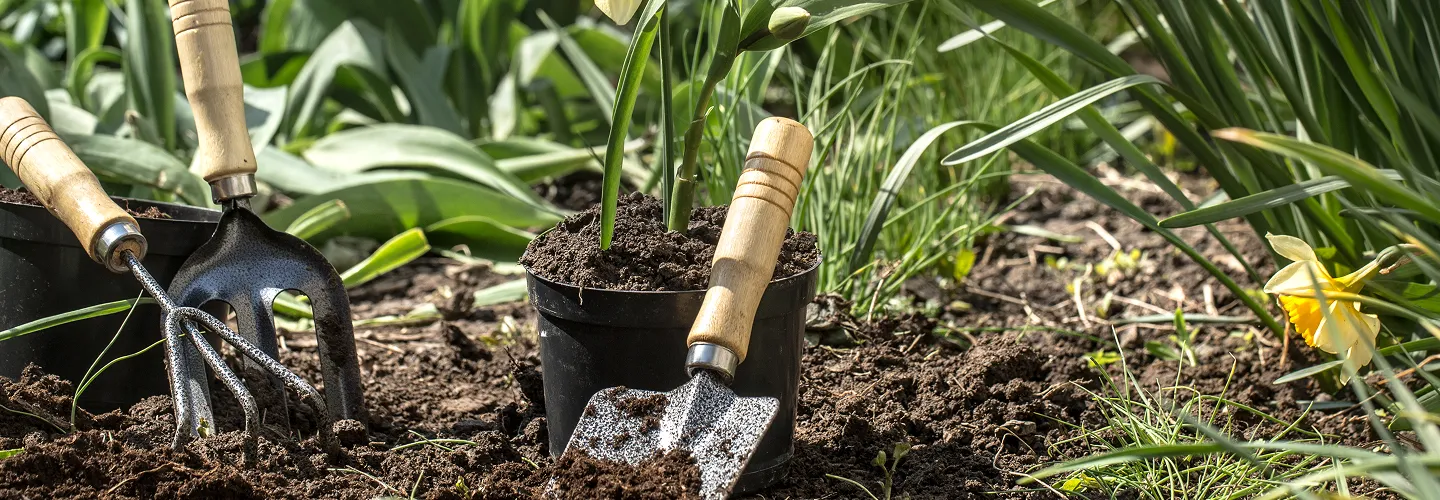
Norwalk Weeding Services
Choose our expert weeding services for a healthier, more beautiful landscape—our experienced team removes unwanted growth quickly and thoroughly, so you can enjoy a weed-free yard without the hassle.
Get a Free QuoteOur Norwalk Landscaping & Yard Care Services
When to Schedule Weeding in Norwalk, Connecticut – Seasonal Guide
In Norwalk, Connecticut, the best times to schedule weeding are typically in early spring and late summer, when local weather patterns and soil conditions are most favorable for effective weed control. Norwalk’s climate, influenced by its proximity to Long Island Sound, brings moderate humidity and a mix of sun and shade, especially in neighborhoods like Rowayton and Silvermine. Early spring weeding, just after the last frost date, helps prevent weeds from taking root as the soil warms up, while a late summer session addresses persistent growth before autumn leaf fall.
Local environmental factors play a significant role in determining the optimal weeding schedule. For example, areas near Cranbury Park may experience heavier shade and richer soils, which can encourage weed growth, while properties closer to the Norwalk River might face higher humidity and occasional flooding. Homeowners should also consider municipal guidelines and seasonal drought risks, as these can impact both the timing and methods of weed removal. For more information on local environmental considerations, visit the Sudbury, MA official site.
Local Factors to Consider for Weeding in Norwalk
- Tree density and shade coverage, especially in wooded neighborhoods
- Soil type and drainage, which vary between coastal and inland areas
- Seasonal precipitation patterns and drought risk
- Proximity to water sources like the Norwalk River
- Municipal restrictions or guidelines on herbicide use
- Terrain and slope, affecting runoff and weed spread
Benefits of Weeding in Norwalk

Enhanced Curb Appeal
Healthier Plant Growth
Reduced Pest Infestation
Improved Soil Quality
Increased Property Value
Professional and Reliable Service
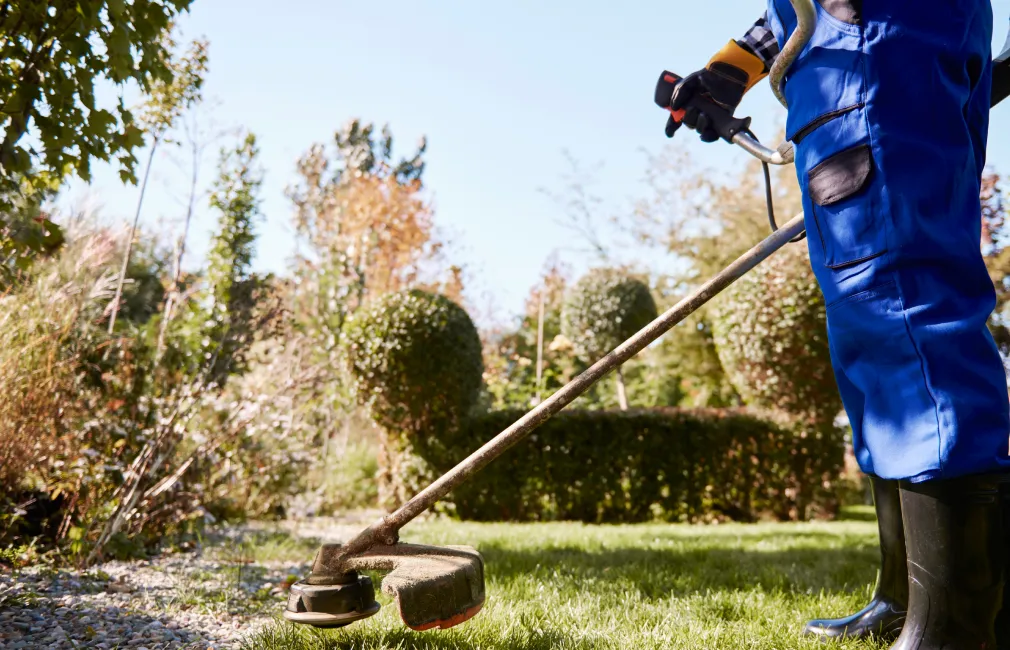
Norwalk Weeding Types

Hand Weeding
-
Mechanical Weeding
-
Mulching for Weed Control
-
Pre-Emergent Herbicide Application
-
Post-Emergent Herbicide Application
-
Flame Weeding
-
Organic Weed Management
Our Weeding Process
Site Evaluation
Weed Identification
Targeted Removal
Soil Treatment
Final Inspection
Why Choose Norwalk Landscape Services
-
Norwalk Homeowners Trust Us
-
Expert Lawn Maintenance
-
Reliable Seasonal Cleanup
-
Competitive Pricing
-
Professional Team
-
Satisfaction Guarantee
-
Personalized Service
Norwalk’s Glacial Till Soils and Weeding Challenges in Urban Landscapes
Norwalk’s predominant soils, as identified by the USDA Web Soil Survey, are classified as Inceptisols and Ultisols, with extensive glacial till deposits. These soils are typically rocky, moderately acidic (pH 5.5–6.5), and often poorly drained, especially in low-lying neighborhoods. Urban fill and compaction further complicate weed management, as shallow rooting and poor drainage favor aggressive species such as crabgrass and plantain. Effective weeding in Norwalk requires:
- Soil testing (recommended every 2–3 years)
- Incorporation of 2–3 inches of compost to improve structure
- Lime application if pH falls below 6.0
- Mulching to suppress annual weeds For soil testing and amendment guidance, consult UConn Extension. Timely removal of weeds before seed set is critical to prevent spread, particularly in compacted or poorly drained sites.
Municipal Weeding Ordinances and Collection Protocols in Norwalk
Weeding activities in Norwalk are governed by municipal ordinances that regulate debris disposal, equipment operation, and property maintenance standards. The city mandates that all yard waste, including pulled weeds, be placed in biodegradable bags or reusable bins (32-gallon maximum) for curbside collection every Thursday from April through November. Prohibited materials include plastic bags and branches over 4 inches in diameter. Equipment operation is restricted to:
- Monday–Friday: 7:00 AM – 7:00 PM
- Saturday: 8:00 AM – 6:00 PM
- Sunday and holidays: Prohibited
Violations may result in fines or collection refusal. For detailed collection schedules and compliance requirements, coordinate with:
Norwalk Department of Public Works
125 East Avenue, Norwalk, CT 06851
Phone: (203) 854-7791
Official Website: Norwalk Department of Public Works
Environmental Compliance: Wetland Buffers and Stormwater Protection in Norwalk
Properties adjacent to Norwalk’s wetlands, streams, and Long Island Sound must adhere to strict buffer requirements to protect sensitive ecosystems. The city enforces a 25-foot no-disturbance buffer from delineated wetlands, prohibiting weeding, soil disturbance, or chemical application within this zone. Under the Connecticut Environmental Protection Act and the Clean Water Act, clippings and debris must not enter storm drains or water bodies, as Norwalk operates under an MS4 stormwater permit. Key compliance steps include:
- Maintain 25-foot buffer from wetlands
- Never dispose of weeds in storm drains
- Use only approved herbicides outside buffer zones
For regulatory guidance and wetland mapping, contact:
Norwalk Conservation Commission
125 East Avenue, Norwalk, CT 06851
Phone: (203) 854-7744
Official Website: Norwalk Conservation Commission
Optimal Weeding Timing and Weather Considerations for Norwalk’s Climate
Norwalk is located in USDA Hardiness Zone 6b–7a, with a growing season typically from mid-April to late October. The optimal window for manual and mechanical weeding is April 15–June 15 and again August 20–September 30, when soil moisture is adequate and weed seedlings are most vulnerable. Avoid weeding during peak summer heat (July–early August) to minimize soil disturbance and erosion risk. Monitor local weather forecasts through the National Weather Service New York Office to plan operations around rainfall and avoid working on saturated soils. Best practices include:
- Spring weeding: April 15–June 15
- Fall weeding: August 20–September 30
- Avoid: After heavy rain or during drought
- Schedule: Early morning or late afternoon to reduce stress on desirable plants
Professional Standards and Safety Protocols for Weeding in Norwalk
All weeding operations in Norwalk must comply with municipal safety and equipment standards. Operators are required to use:
- Eye protection: ANSI Z87.1 safety glasses
- Hearing protection: Earmuffs or plugs for equipment over 85 dB
- Gloves: Cut-resistant for hand weeding, chemical-resistant for herbicide application
- Footwear: Steel-toed, non-slip boots
Maintain a 15-foot clearance from overhead utilities and public walkways. Equipment must be commercial-grade and maintained per manufacturer specifications, with blades sharpened every 20–25 hours of use. For work in public parks or near city infrastructure, coordinate with:
Norwalk Parks and Recreation Department
1 Vets Park Drive, Norwalk, CT 06851
Phone: (203) 854-7806
Official Website: Norwalk Parks and Recreation Department
What Neighborhoods Do We Serve Throughout Norwalk, CT?
- Rowayton: Coastal soils with sandy texture and moderate drainage; proximity to Five Mile River and salt exposure require careful species selection and buffer compliance.
- East Norwalk: Older neighborhoods with compacted glacial till, moderate to poor drainage, and mature tree canopy; frequent weed pressure in shaded lawns.
- Silvermine: Rolling terrain, rocky soils, and proximity to Silvermine River; properties often border wetlands, requiring strict adherence to buffer regulations.
- South Norwalk (SoNo): Dense urban development, limited green space, and high soil compaction; weed management complicated by heavy foot traffic and infrastructure constraints.
- West Norwalk: Larger lots, mixed soil types, and higher tree density; frequent leaf litter and organic debris increase weed seed bank.
- Cranbury: Suburban area with newer developments, moderately well-drained soils, and active homeowner associations enforcing property maintenance standards.
- Wolfpit: Residential area with variable drainage and occasional flooding; weed control must account for seasonal water table fluctuations and stormwater management requirements.