
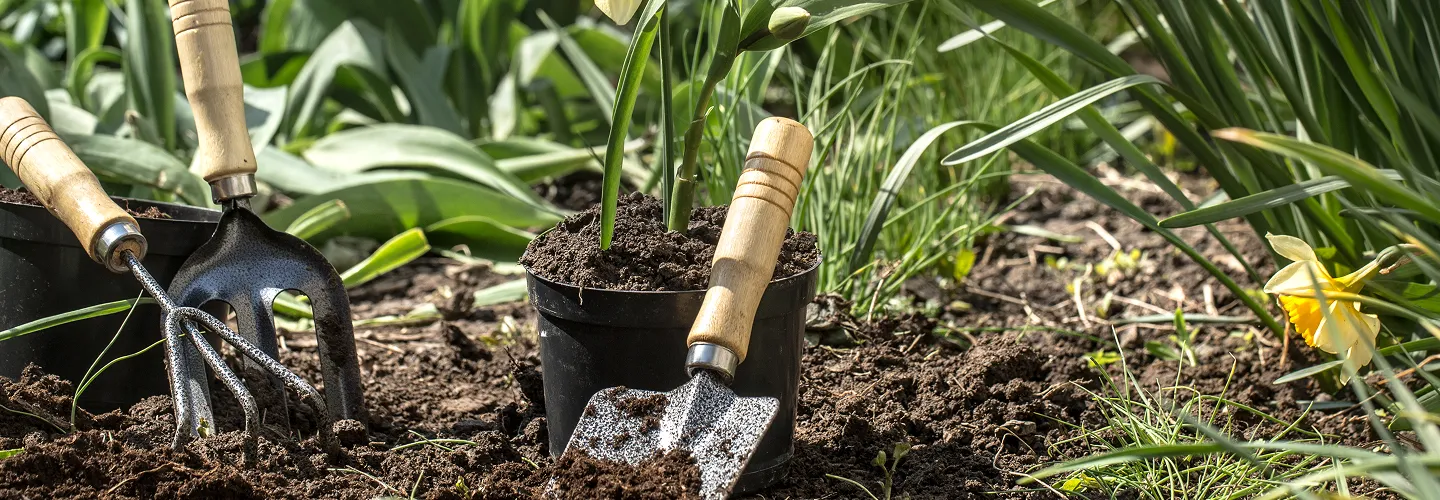
Norwalk Plant Removal Services
Choose our plant removal experts for safe, thorough, and eco-friendly solutions that restore your landscape’s beauty and health—no mess, no stress.
Get a Free QuoteOur Norwalk Landscaping & Yard Care Services
When to Schedule Plant Removal in Norwalk, Connecticut – Seasonal Guide
In Norwalk, Connecticut, timing your plant removal is crucial for both the health of your landscape and compliance with local guidelines. The optimal periods for plant removal typically fall in late fall after the first frost or early spring before new growth begins. Norwalk’s climate, characterized by cold winters and humid summers, means that removing plants during dormancy minimizes stress on your soil and surrounding vegetation. Neighborhoods like Rowayton and Silvermine, with their mature tree canopies and varied terrain, often require careful planning to avoid disrupting established root systems or causing soil erosion.
Local environmental factors such as the city’s average last frost date in late April, the risk of summer droughts, and the prevalence of clay-heavy soils in areas near Cranbury Park all play a role in determining the best removal window. Shade coverage from large oaks and maples, especially in older neighborhoods, can also impact the timing and method of removal. For more information on local environmental guidelines, visit the Sudbury municipal resource.
Local Factors to Consider for Plant Removal in Norwalk
- Tree density and proximity to structures
- Terrain slope and soil composition (e.g., clay vs. sandy soils)
- Seasonal precipitation and drainage patterns
- Municipal restrictions and permit requirements
- Risk of frost or drought during removal period
- Shade coverage from mature trees
- Proximity to local landmarks or protected areas
Benefits of Plant Removal in Norwalk

Improved Curb Appeal
Healthier Landscapes
Pest and Disease Prevention
Enhanced Property Value
Customized Landscaping Solutions
Efficient and Safe Removal
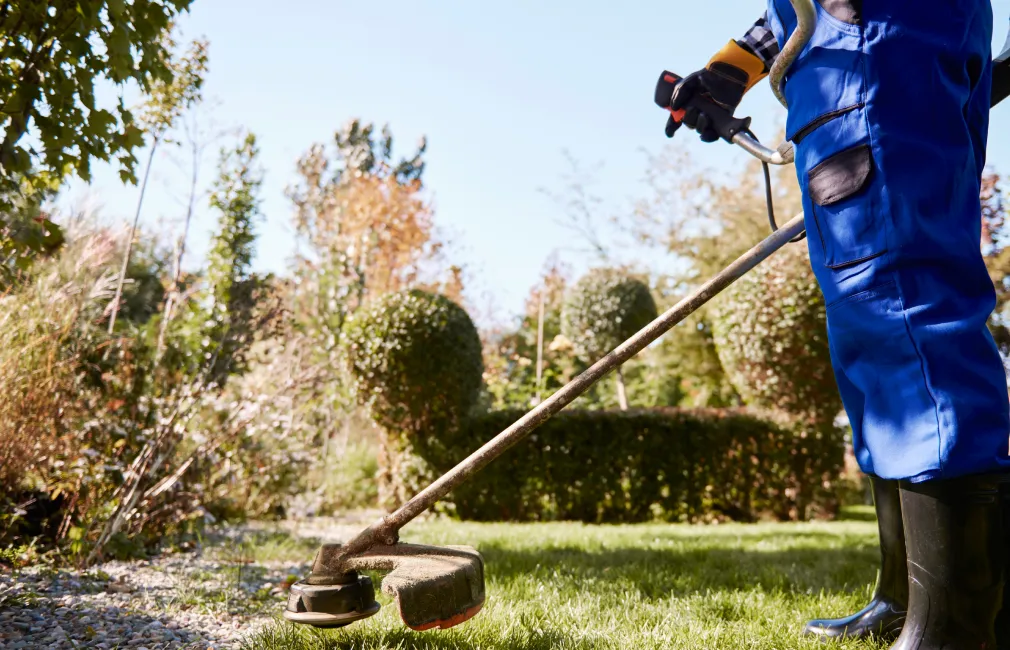
Norwalk Plant Removal Types

Tree Removal
-
Shrub Removal
-
Stump Grinding
-
Invasive Species Removal
-
Root System Extraction
-
Hedge Clearing
-
Overgrown Vegetation Removal
Our Plant Removal Process
Site Evaluation
Preparation and Safety Measures
Plant Extraction
Debris Removal
Site Restoration
Why Choose Norwalk Landscape Services

-
Norwalk Homeowners Trust Us
-
Expert Lawn Maintenance
-
Reliable Seasonal Cleanup
-
Competitive Pricing
-
Professional Team
-
Satisfaction Guarantee
-
Personalized Service
Norwalk’s Plant Removal Ordinances and Permit Requirements
Plant removal activities in Norwalk are governed by specific municipal ordinances to ensure public safety, environmental protection, and neighborhood standards. Removal of trees over 6 inches in diameter at breast height (DBH) or any vegetation within 50 feet of wetlands requires a permit from the city. Application fees typically range from $50 to $75, with a review period of 7-10 business days. Equipment operation is permitted during the following hours:
- Monday-Friday: 7:00 AM - 7:00 PM
- Saturday: 8:00 AM - 6:00 PM
- Sunday and holidays: Prohibited
All plant debris must be disposed of according to city guidelines, prohibiting dumping in storm drains or public rights-of-way. For detailed permit procedures and ordinance compliance, coordinate with the city’s code enforcement office.
Norwalk Building Code Enforcement
125 East Avenue, Norwalk, CT 06851
Phone: (203) 854-7755
Official Website: Norwalk Building Code Enforcement
Soil and Site Considerations for Plant Removal in Norwalk’s Glacial Till Landscapes
Norwalk’s predominant soils, including Charlton-Chatfield and Ridgebury series, are characterized by glacial till, moderate to high stone content, and variable drainage. Many sites exhibit poorly drained conditions with a seasonal water table at 12-18 inches, especially in low-lying neighborhoods. Soil pH typically ranges from 5.5 to 6.5, requiring lime amendments for optimal revegetation after removal. When removing plants, it is essential to:
- Assess soil compaction and drainage before heavy equipment use
- Avoid disturbance within 25 feet of wetlands or watercourses
- Incorporate 2-3 inches of compost to a 6-inch depth for site restoration
- Conduct soil testing through UConn Extension (typical cost: $15-25)
Reference the USDA Web Soil Survey for site-specific soil data to guide removal and restoration practices.
Environmental Compliance: Wetland Buffers and Stormwater Protection in Norwalk
Plant removal near Norwalk’s wetlands, streams, and Long Island Sound is subject to strict environmental regulations. The city enforces a 25-foot no-disturbance buffer from all regulated wetlands and watercourses. Under the Connecticut Environmental Protection Act, and the federal Clean Water Act, it is prohibited to deposit debris or soil within these buffers or in storm drains. Norwalk’s MS4 permit, administered by the Connecticut Department of Energy and Environmental Protection, requires:
- No plant debris in stormwater inlets
- Silt fencing for soil disturbance within 50 feet of water bodies
- Immediate stabilization of exposed soils with mulch or seed
For projects near sensitive areas, coordinate with the city’s conservation commission.
Norwalk Conservation Commission
125 East Avenue, Norwalk, CT 06851
Phone: (203) 854-7744
Official Website: Norwalk Conservation Commission
Municipal Debris Collection and Disposal Procedures for Plant Removal in Norwalk
Proper disposal of plant material is essential for compliance with Norwalk’s municipal waste management protocols. The city provides weekly yard waste collection every Thursday from April through November. Accepted materials include leaves, grass clippings, and brush under 4 feet in length, placed in biodegradable bags or reusable bins (32-gallon maximum). Prohibited items include plastic bags and branches over 4 inches in diameter. For large volumes or off-schedule disposal, use the city’s transfer station. Key guidelines:
- Place containers curbside by 6:00 AM on collection day
- Separate yard waste from household trash
- Do not block sidewalks or storm drains
For collection schedules and disposal site hours, consult the Department of Public Works.
Norwalk Department of Public Works
125 East Avenue, Norwalk, CT 06851
Phone: (203) 854-7791
Official Website: Norwalk Department of Public Works
Safety Protocols and Equipment Standards for Plant Removal in Norwalk
All plant removal operations in Norwalk must adhere to municipal safety standards and equipment regulations. Operators are required to use commercial-grade equipment with functioning mufflers, and noise levels must not exceed 85 decibels at property lines. Personal protective equipment (PPE) is mandatory:
- Eye protection: ANSI Z87.1 safety glasses
- Hearing protection: Earmuffs or plugs for 85+ dB
- Footwear: Steel-toed boots with non-slip soles
- Gloves: Cut-resistant for pruning, chemical-resistant for herbicide use
Maintain a 15-foot clearance from overhead utilities and follow all traffic control measures when working near public roads. For technical guidance, consult the city’s engineering department.
Norwalk Engineering Department
125 East Avenue, Norwalk, CT 06851
Phone: (203) 854-3200
Official Website: Norwalk Engineering Department
What Neighborhoods Do We Serve Throughout Norwalk, CT?
- Rowayton: Coastal soils with sandy loam and moderate salt exposure; plant removal often requires salt-tolerant restoration species and careful debris management near Five Mile River.
- Silvermine: Hilly terrain with rocky glacial till and mature tree cover; steep slopes and stone outcrops demand specialized equipment and erosion control measures.
- East Norwalk: Proximity to Norwalk River and floodplain areas; frequent wet soils and regulated buffers require strict compliance with wetland ordinances.
- Cranbury: Larger lots with mixed woodland and clay-rich soils; heavy compaction and drainage issues are common, necessitating soil amendment after removal.
- South Norwalk (SoNo): Dense urban development with compacted fill soils; limited equipment access and strict noise ordinance enforcement apply.
- West Norwalk: Suburban setting with mature landscaping and HOA restrictions; plant removal projects must coordinate with community standards and property line setbacks.
- Wolfpit: Residential area with variable drainage and moderate tree density; attention to stormwater management and debris containment is essential.